

You have decided to renovate. Maybe your home feels dated, maybe there is structural damage, or maybe you just want to transform the space into something that actually reflects who you are. Whatever your reason, renovation is one of the best investments you can make in a Nigerian property.
But here is the part most contractors will not tell you upfront: renovation is almost always more complex than it looks. If you walk in without knowing what to expect, you will likely face delays, unexpected costs, and frustration.
This guide gives you the honest picture so you can plan well, choose the right team, and end up with a result you are proud of.
1. The Planning Phase Comes Before Anything Else
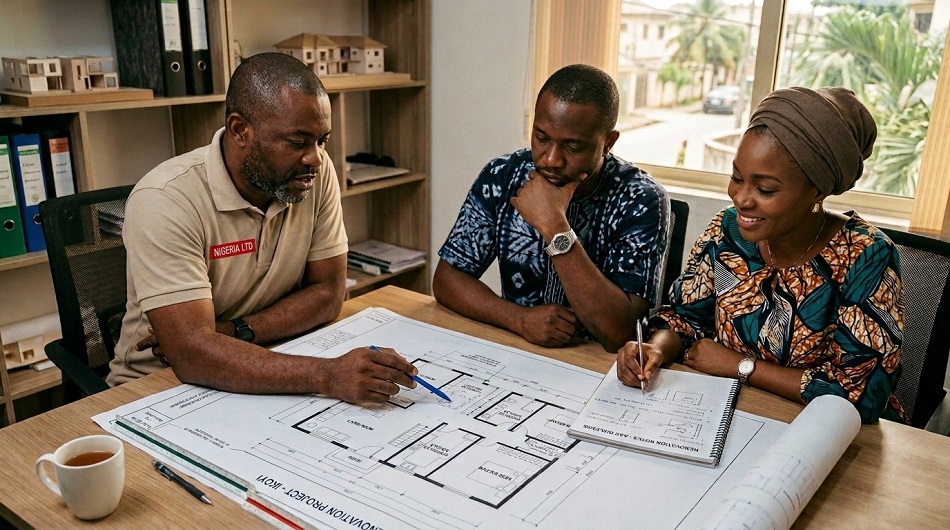
Before a single wall is touched, a proper renovation starts with a planning phase. This is where you define what you want to achieve, set a realistic budget, and engage a professional to assess the property.
At HQ Nigeria Ltd, our first step with every renovation client is a detailed site assessment. We look at the structural integrity of the building, the condition of electrical and plumbing systems, the quality of existing finishes, and what the client wants to change. Only after that assessment can we give an accurate quotation.
What you should prepare before your first meeting with a contractor:
- A list of everything you want to change, room by room
- Photos or inspiration images of styles you like
- A realistic budget range (more on this below)
- Your timeline when do you need the renovation completed?
2. Budgeting: The Most Common Source of Renovation Problems
Let us address this directly: renovation costs in Nigeria are frequently underestimated. Material prices fluctuate with the naira, skilled labour costs have risen significantly, and many projects reveal hidden issues, damp, outdated wiring, weak foundations, once the work begins.
A general rule that experienced contractors use is to add 15–20% to your estimated budget as a contingency. If you budget N10 million for a renovation, hold N1.5 to N2 million in reserve.
What drives renovation costs in Nigeria:
- The size and condition of the property
- Quality of materials selected (local vs. European-standard)
- Labour costs for specialist trades (electrical, tiling, carpentry)
- Cost of materials at the time of purchase (exchange rate exposure for imported items)
- Whether structural work is needed
The cheapest quote is rarely the best option. A contractor who quotes significantly below market rate is either planning to cut corners on materials or will come back with “extras” once the work has started. Always ask for a detailed, itemised quotation.
3. What the Renovation Process Actually Looks Like
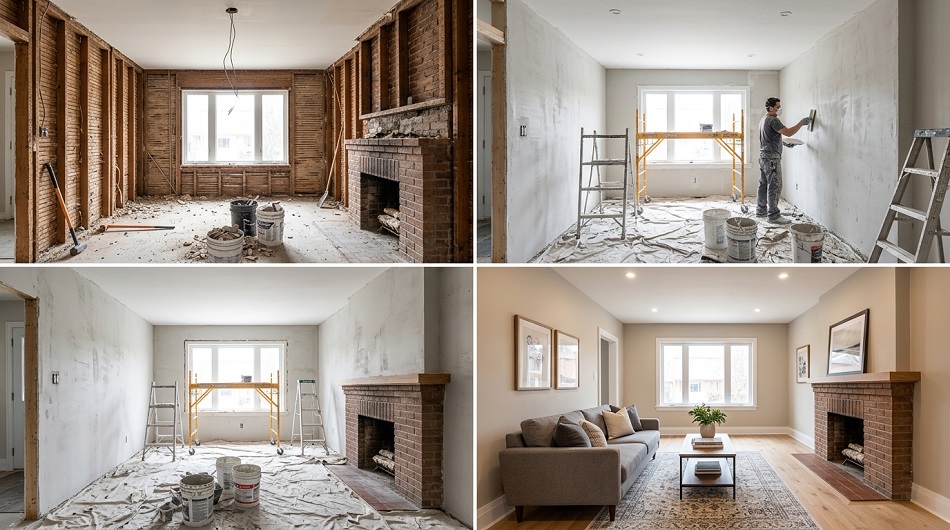
Once planning is done and contracts are signed, here is the typical sequence for a whole-home or significant renovation:
Phase 1: Demolition & Strip-Out Existing fixtures, fittings, tiles, and finishes are removed. This phase often reveals hidden issues that need to be addressed before new work begins.
Phase 2: Structural & Civil Works If any walls are being removed, added, or repaired, or if there are foundation issues, this happens now. This is also when drainage and waterproofing work is done.
Phase 3: Mechanical & Electrical (M&E) Works New electrical wiring, conduits, plumbing pipes, and air-conditioning infrastructure are installed within the walls and ceiling before they are plastered over. This is a critical phase, rushing or skimping here causes long-term problems.
Phase 4: Plastering & Block Work Walls are smoothed and prepared for finishing. New partitions or extensions are built at this stage.
Phase 5: Tiling & Flooring Tiles, parquet, or other flooring materials are laid. This requires skilled tradespeople, poor tiling is immediately visible and difficult to correct later.
Phase 6: Joinery, Carpentry & Fixtures Kitchen cabinets, wardrobes, doors, windows, and built-in furniture are installed.
Phase 7: Painting Undercoat and topcoat are applied to all surfaces. This is also when decorative finishes go on.
Phase 8: Final Fixtures & Finishing Light fittings, switches, sockets, bathroom fittings, handles, and all final details are installed. The property is cleaned and handed over.
4. How Long Does a Renovation Take?
Timelines depend heavily on the scope of work, but here are realistic estimates for Nigerian renovation projects:
| Scope of Work | Realistic Timeline |
|---|---|
| Single room (bathroom or kitchen) | 4 – 8 weeks |
| Full interior of a 3-bedroom flat | 3 – 5 months |
| Full renovation of a 4–5 bedroom house | 5 – 9 months |
| Major structural renovation with extension | 8 – 14 months |
Delays are common in construction. Material delivery delays, weather, and unforeseen structural issues all affect timelines. A good contractor will build buffer time into the programme and communicate clearly when timelines shift.
5. How to Protect Yourself as a Client
- Always sign a written contract before work begins. It should specify the scope of work, materials to be used, payment milestones, and the completion date.
- Make payments in milestones, not upfront in full. A typical structure is: deposit on signing, progress payment at key stages, final payment on completion.
- Visit the site regularly or appoint a trusted person to monitor progress.
- Ask for receipts and documentation for any materials purchased on your behalf.
Ready to Renovate? Let’s Talk.
HQ Nigeria Ltd has completed renovation and remodelling projects across Abuja, including in some of the city’s most prestigious estates. Our team manages the entire process, from initial assessment and design through to final handover so you get a high-quality result without the stress.
Call us: +234 811 282 2482
Email: info@hqnigeria.com
Request a Free Renovation Consultation
Ready to Start Your Project?