Many Nigerians who are building for the first time ask the same question: “Do I really need a general contractor, or can I just hire the trades directly and save money?”
It is a fair question. The answer, in most cases, is that trying to manage a construction project without a general contractor costs more money, takes longer, and produces worse results than simply hiring the right contractor from the start.
Here is why.
The Role of a General Contractor
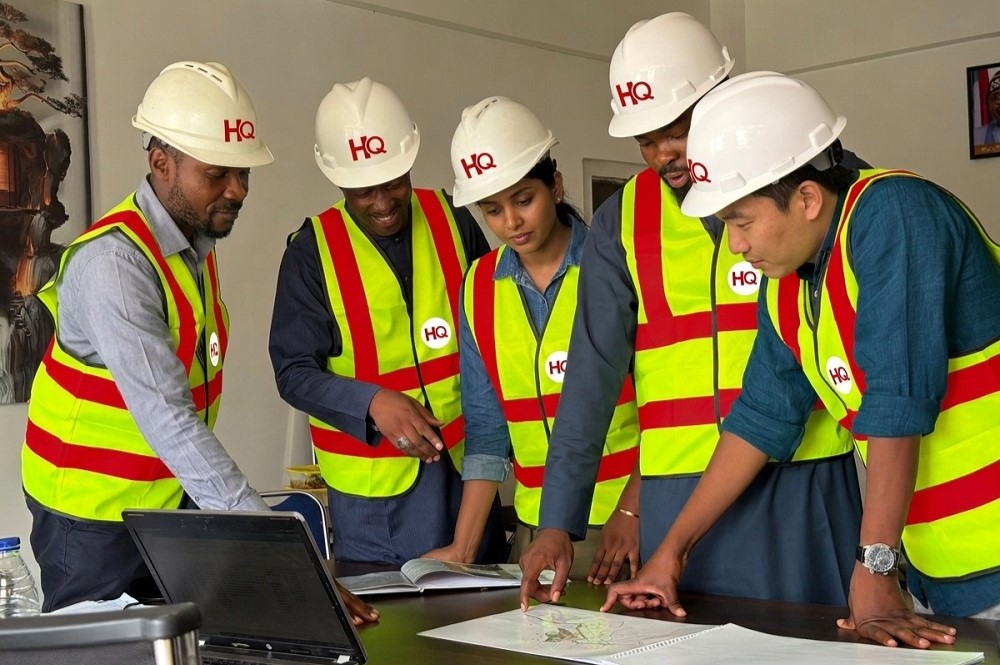
A general contractor (GC) is the professional responsible for overseeing the complete execution of a construction project. They sit between you (the client) and all the specialist trades — the block-layers, tilers, electricians, plumbers, carpenters, painters — coordinating their work so the project progresses in the correct sequence, on time, and to the right quality standard.
Think of a general contractor as the conductor of an orchestra. The musicians (trades) are skilled at what they do. But without a conductor coordinating timing, sequencing, and execution, what you get is not music — it is noise.
What a General Contractor Actually Does Day-to-Day
Pre-Construction:
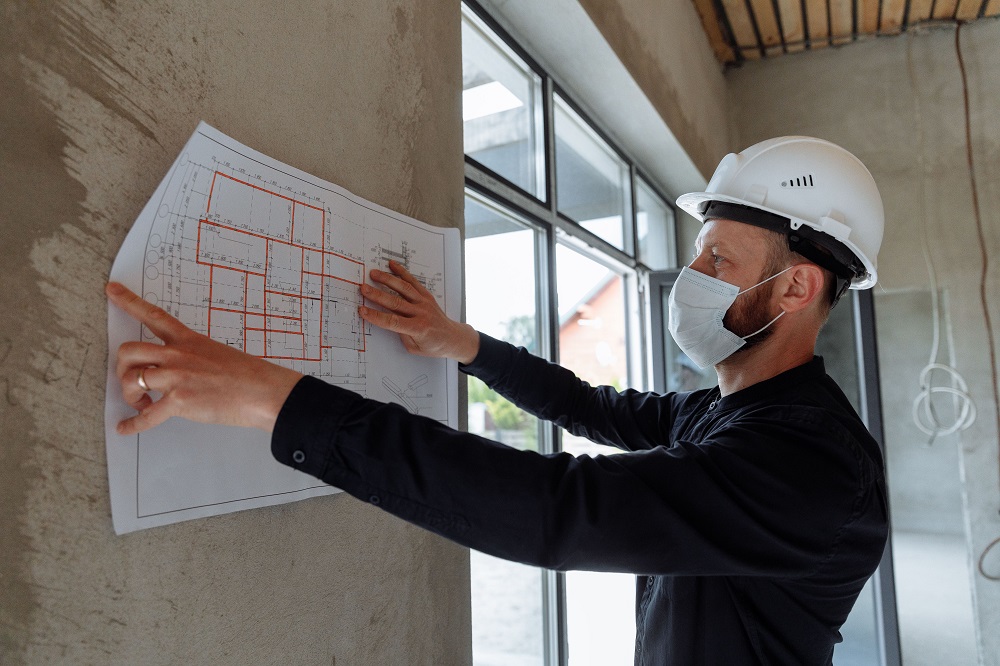
- Reviews your design and specifications
- Sources and vets subcontractors and suppliers
- Prepares a detailed programme of work
- Orders materials and manages procurement
- Sets up the construction site safely and correctly
During Construction:
- Manages daily site operations and workforce
- Coordinates the sequence of different trades (you cannot tile before you plaster; you cannot plaster before MEP works are done in the walls)
- Monitors quality at every stage — rejecting substandard work before it is covered up
- Manages the budget and flags any cost risks
- Communicates progress to the client regularly
- Handles problems as they arise — because they always do
Post-Construction:
- Manages the defects liability period
- Conducts snagging (identifying and fixing defects before handover)
- Commissions all systems (electrical, plumbing, air-conditioning)
- Prepares and hands over project documentation
Why Managing Tradespeople Yourself Usually Fails
Self-managing a construction project in Nigeria is possible — but it requires you to be available on-site daily, understand construction sequencing, know how to evaluate the quality of each trade’s work, negotiate with suppliers and contractors, and resolve disputes and delays.
Most clients who try this find that:
- Trades show up out of sequence and create rework
- Materials are purchased incorrectly or wastefully
- Quality issues are caught late, after work is covered up
- The project takes twice as long as it should
- The final cost is higher than it would have been with a proper contractor managing the process
A general contractor charges a management fee or margin — but that cost is typically recovered through better procurement, fewer mistakes, and a shorter timeline.
What to Look for in a General Contractor in Nigeria
- Demonstrated experience across multiple project types and scales
- In-house technical expertise (not a “contractor” who just subcontracts everything)
- Clear and detailed written contracts and quotations
- A professional team with identifiable roles (project manager, site supervisor, engineers)
- References and a verifiable portfolio
- Transparency in billing and reporting
HQ Nigeria Ltd — Full-Service General Contracting
HQ Nigeria Ltd has served as general contractor on projects ranging from private luxury residences in Abuja to N6 billion-plus federal installations. Our in-house team covers architecture, civil engineering, electrical and mechanical systems, interior finishing, and project management — giving you a single point of accountability from day one to handover.
Call us: +234 811 282 2482
Email: info@hqnigeria.com