
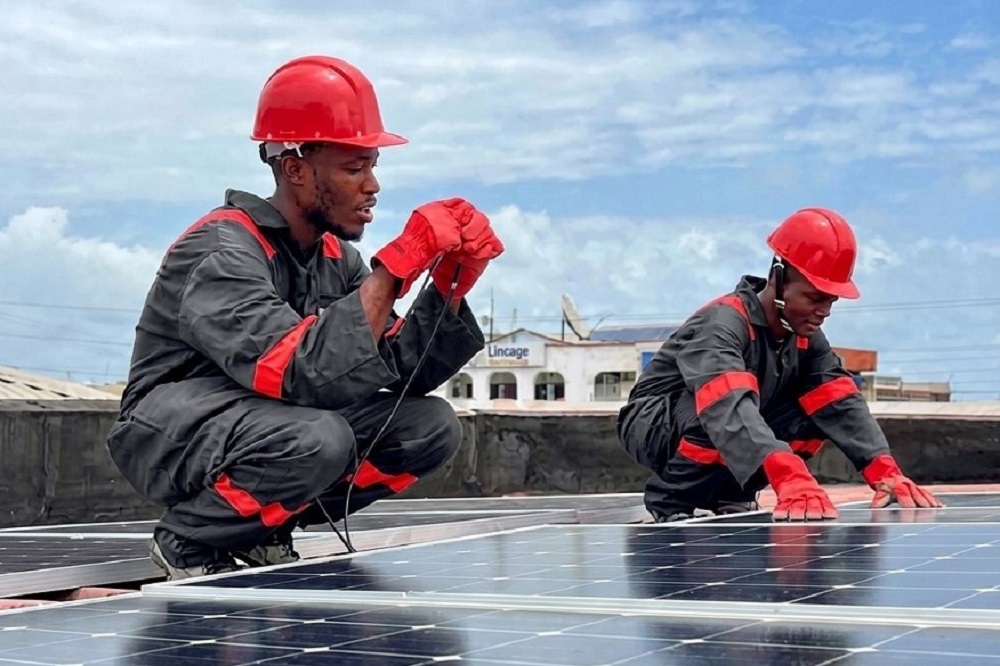
NEPA — now PHCN — has been the punchline of Nigerian jokes for decades. But the unreliability of grid power in Nigeria is no laughing matter when you are running a business, managing a home, or trying to keep critical equipment online.
Solar power has rapidly become the most popular alternative energy solution for Nigerian homes and businesses. But many people who install solar end up disappointed — not because solar does not work, but because they did not understand what they were buying before they bought it.
This guide gives you an honest, technical overview of what solar power can and cannot do for your Nigerian property, and what to look for when choosing a solar installation company.
What Solar Power Actually Does (And Does Not Do)
Solar power converts sunlight into electricity using photovoltaic (PV) panels mounted on your roof or open land. The electricity generated either powers your building directly, is stored in batteries for use at night or during cloudy periods, or feeds back into the grid where grid-tie arrangements are possible.
What solar can do:
- Power lights, fans, televisions, computers, and other low-to-medium consumption appliances continuously
- Significantly reduce or eliminate your dependence on grid power for everyday consumption
- Power air-conditioning, heavy appliances, and industrial equipment if the system is correctly sized
What solar cannot do:
- Deliver unlimited power from a small, cheap installation
- Eliminate the need for a backup generator in every scenario (an undersized system will underperform on cloudy days or during high-consumption periods)
- Pay for itself instantly — a proper system requires capital investment, though long-term savings are significant
The biggest mistake Nigerian homeowners make is buying an undersized system because it is cheaper. Then they are confused when it cannot power their air conditioners or their inverter cuts out by midnight.
How Solar Systems Are Sized
The size of the solar system you need is determined by your energy consumption. A professional solar installer will calculate your load — the total wattage of appliances you want to power — and then design a system that meets that load while accounting for:
- Hours of sunlight in your location (Nigeria averages 5–7 peak sun hours daily)
- Days of autonomy you want (how long the batteries can power your home without sun)
- Efficiency losses in the system (inverters, wiring, battery discharge all reduce effective output)
A basic system for a modest Nigerian apartment (lights, fans, TV, fridge) might require 3–5 kWp of solar panels and 10–20 kWh of battery storage. A large home with air-conditioning and high consumption can require 15–30 kWp or more.
Do not let anyone install a solar system for you without first conducting a proper load assessment. If they do not ask you what appliances you want to power, they are guessing — and you will pay for that guess later.
Key Components of a Solar System
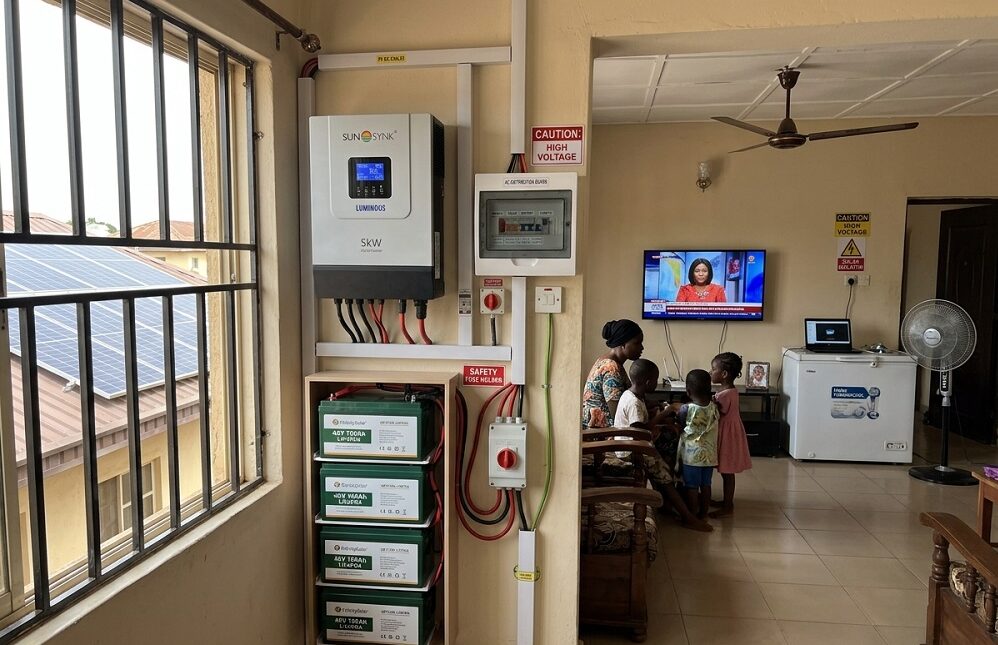
1. Solar Panels The panels capture sunlight. Quality matters enormously — cheap panels degrade faster, produce less power in partial shade, and may have shorter warranties. Established brands consistently outperform no-name panels bought based on price.
2. Inverter The inverter converts the DC electricity from the panels (and batteries) into AC electricity that your appliances use. The inverter is the brain of the system. A poor-quality inverter is the most common cause of solar system failure in Nigeria.
3. Batteries Batteries store energy for use when the sun is not shining. Lithium iron phosphate (LiFePO4) batteries are currently the best choice for most residential applications — they are safer, have a longer lifespan, and can be discharged more deeply than older lead-acid options.
4. Charge Controller Regulates the charging of the batteries to prevent overcharging and optimise battery life.
5. Mounting & Wiring The structural mounting of panels and the quality of electrical wiring are often overlooked but critical. Poor mounting can lead to wind damage; poor wiring can cause fires or significant efficiency loss.
What a Professional Solar Installation Looks Like
A professional renewable energy contractor should:
- Conduct a full load assessment before quoting
- Design the system on paper (panel layout, wiring diagram, battery configuration) before installation begins
- Use certified, branded components with clear warranties
- Install the system to electrical code standards
- Test and commission the full system before handover
- Provide documentation — system specs, warranty cards, operation manual
If an installer shows up, puts panels on your roof, and leaves without a commissioning report or any documentation, that is a red flag.
What Does Solar Installation Cost in Nigeria?
Solar system costs in Nigeria vary significantly based on system size and component quality. As a general guide (subject to current exchange rates and component availability):
| System Size | Suitable For | Approximate Cost Range |
|---|---|---|
| 3–5 kWp | Small apartment, basic loads | ₦3M – ₦6M |
| 8–10 kWp | Medium home, some AC | ₦8M – ₦15M |
| 15–20 kWp | Large home, full AC | ₦18M – ₦30M |
| 30 kWp+ | Commercial / Industrial | ₦40M+ |
These are indicative ranges only. A proper quotation requires a site visit and load assessment.
HQ Nigeria Ltd’s Renewable Energy Services
HQ Nigeria Ltd’s renewable energy team has completed specialist training across Europe in solar power systems and sustainable energy technology. We design, supply, and install solar and hybrid power systems for residential, commercial, and institutional clients across Nigeria.
We have also delivered large-scale power generation and transmission projects for federal institutions — including the Central Bank of Nigeria — so we understand power infrastructure at every scale.
Call us: +234 811 282 2482
Email: info@hqnigeria.com